
Foot and Ankle Specialist
We Treat All Common Foot Problems

Heel Pain
Heel pain has many causes. Heel pain is generally the result of faulty biomechanics (walking gait abnormalities) that place too much stress on the heel bone and the soft tissues that attach to it. The stress may also result from injury, or a bruise incurred while walking, running, or jumping on hard surfaces; wearing poorly constructed footwear; or being overweight.

Plantar Faciitis
Plantar fasciitis is an inflammation of the fibrous tissue (plantar fascia) along the bottom of your foot that connects your heel bone to your toes. Plantar fasciitis can cause intense heel pain. The pain can be located in the heel area of the foot or in the arch. It is often worse in the morning due to stiffness of the tissue, and also becomes worse after long periods of walking.
Bunions
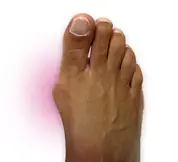
A bunion is a painful lump on the joint at the base of the big toe (the metatarsophalangeal – or “MTP”- joint) which forms when the bone or tissue at the joint moves out of place. Bunions are often caused by the way you walk, your inherited foot type, or shoes that put abnormal pressure over the MTP joint. Bunions tend to run in families due to the passing of problematic foot types from parent to child.

Ingrown Toenail
An ingrown toenail, or onychocryptosis, happens when the nail grows inward into the toe instead of outward, leading to pain on the side of the toe. condition most frequently affects the big toe. Factors that can disrupt the nail's proper outward growth include improper nail trimming or wearing ill-fitting shoes.

Plantar Warts
Plantar warts are warts that develop on the soles of your feet. They typically appear in areas that endure the most pressure, like the ball or heel of the foot. These warts are caused by the human papillavirus (HPV and can be transmitted damp places such as public showers, locker rooms, and swimming pools. However, not everyone exposed to a plantar wart will necessarily get one.

Flat Feet
Flat feet, commonly known as "fallen arches," occur when the arches on the inside of the feet are absent. This means that the entire sole rests flat against the ground. It's normal for toddlers to have flat feet, as their arches are still developing, which usually happens during childhood. In adults, flat feet can result from injuries or the gradual wear-and-tear of the tendons the feet.

Wounds and Ulcers
People with diabetes face an increased risk of foot ulcers. Extended periods of elevated blood sugar can harm nerves and small blood vessels in the feet. Consequently, patients may overlook minor injuries, and poor circulation makes them more vulnerable to wounds heal slowly. Furthermore, diabetes affects the immune system, raising the chances of infections in foot ulcers.

Hammer Toes
A hammertoe is characterized by the bending of a toe at its first joint, resulting from a muscle imbalance that increases pressure on the joint. Factors such as genetics, injury, and arthritis can contribute to the development of hammertoes, along with wearing tight or pointed shoes. This condition typically impacts the "lesser digits," which are the second to fifth toes. Women are more frequently affected by hammertoe than men.

Toenail Fungus
Nail fungus, or onychomycosis, is an infection affecting one or more nails on the fingers or toes caused by fungal organisms. This infection can result in yellowing or other discoloration of the nail as the fungus penetrates deeper into the tissue. It can be painful and may ultimately cause the nail to separate from the nail bed, a condition referred to as onycholysis.

Ball of Foot (Metatarsal) Pain
The sesamoid is a tiny bone located beneath the ball of the foot. It may become strained due to repetitive activities that exert pressure on the ball of the foot or involve frequent upward bending of the big toe. This strain can lead to sesamoiditis, which is characterized by inflammation and pain.

Neuroma
A neuroma is a thickening of the tissue around a nerve that runs between the bases of two toes. This condition is often caused by repeated minor injuries to the area, which can happen due to ill-fitting footwear or in individuals who run frequently. The resulting thickened tissue leads to pain in the affected area, particularly noticeable while walking.

Trauma and Fractures
There are 26 bones and 33 joints in the human foot, including more than 100 supportive tissues such as muscles, tendons, and ligaments. The ankle joint, toes, and metatarsals (the bones located between the toes and the midfoot area) are among the most likely to break. If you fracture a bone in your foot and the skin breaks, you run the risk of developing a bone infection. Foot fractures can also lead to nerve or blood vessel complications.

Charcot Foot
Charcot foot is a chronic foot condition that is found in conditions that cause loss of sensation in the foot, most commonly diabetes. As a result of the loss of sensation, the foot is unable to maintain its normal structure, and the bones of the foot and ankle collapse. The result is pain and inflammation. Over time, the bones and joints of the ankle can become damaged, and lead to chronic pain and ulcers on the feet.

Rashes, Itchy Feet, and Skin Issues
Rashes, itchy feet, and other skin issues can cause significant discomfort and impact your daily life. Foot skin issues, including rashes and itching, can stem from a variety of causes such as infections, allergies, and chronic conditions. Common problems include athlete’s foot, fungal infections, eczema, and dermatitis.